

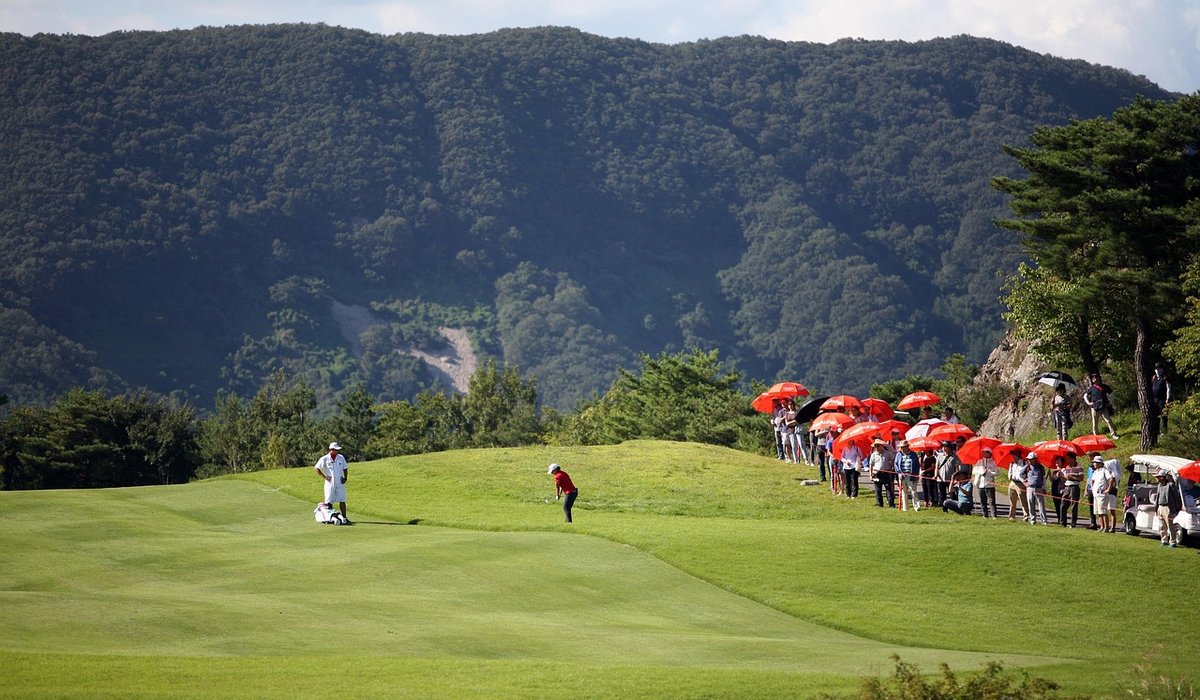
Your Walk Begins at the Front Door
One of the quiet pleasures of a country hotel break is that you do not need to drive anywhere to find a proper walk. Most rural hotels sit within a few hundred yards of a public footpath, bridleway or lane that leads somewhere worth going: a strip of ancient woodland, a ridge with a view, or a village pub that has been pouring beer since before anyone thought to write the date on a gatepost.
The trick is to treat the first mile as part of the experience rather than a means to an end. Ask at reception for a printed route, or better still, ask a member of staff who actually walks it. They will know which gate sticks, where the path floods after rain, and which pub does a decent late lunch. That local knowledge is worth more than any guidebook.
Sort Your Map Before You Set Off
Even a short walk deserves a proper map. A 1:25,000 scale walking map shows field boundaries, footpath lines, stiles and woodland in enough detail to keep you right when the waymark arrows run out. Fold it to the relevant square, put it in a clear plastic sleeve, and keep it in a pocket you can reach without taking your pack off.
- Learn the symbols. Green dashed lines are public footpaths; orange dashes are bridleways, open to walkers, cyclists and horses.
- Note the grid reference of the hotel. If you do get turned around, you can always navigate back to that point.
- Check the scale bar. Paths that look short on paper can be slow going across plough or through waist-high bracken.
- Take a phone, but do not rely on it. Signal in deep valleys and wooded cuttings is patchy at best. Download the area offline before you leave the car park.
A compass costs very little and weighs nothing. Learn to take a rough bearing and you will never be truly lost, only temporarily uncertain.
Woodland, Farmland and the Shape of the Land
Footpaths tend to follow the easiest ground, which is why they so often trace the edge of a field rather than cutting across it. You will notice the pattern quickly: a hedge line here, a brook there, a gap in a wall that has clearly been used for centuries.
Woodland paths are usually best in spring for bluebells and wild garlic, and in autumn for beech mast and fungi. They are also cooler in high summer and noticeably muddier after rain, so expect roots underfoot and take your time. Farmland paths give you the wide views, but they also mean stiles, kissing gates and the occasional field of cattle.
If a path crosses a working farm, follow it exactly as marked. Do not take shortcuts across crops, and do not assume a gap in a hedge is a right of way just because it looks convenient. Farmers are generally relaxed about courteous walkers and less so about people trampling a wheat crop.
Livestock, Gates and the Countryside Code
Meeting livestock is part of the appeal, but it deserves respect. Cattle with calves can be protective, and sheep are easily spooked, particularly by dogs.
- Close every gate behind you unless it is clearly propped or tied open.
- Give livestock a wide berth and walk around the edge of the field rather than straight through the middle of the herd.
- Keep dogs under close control around livestock and on a short lead near sheep at any time of year. On most access land, dogs should be on a lead between March and July for ground-nesting birds.
- Take litter home, including fruit peel and anything that might tempt livestock.
- Leave gates, walls and stiles as you find them, and report any damage to the hotel so they can pass it on.
Stiles come in many forms and some are more generous than others. If you are walking with a dog, look for the lift-up or dog-gate versions, or be prepared to lift your companion over carefully.
What to Carry for a Half-Day Out
You do not need expedition kit for a four-mile loop, but a few small things transform the day.
- Footwear with grip. Trail shoes are fine in dry weather; walking boots or wellingtons are better on clay and chalk paths after rain.
- A waterproof shell, even on a bright forecast. British weather changes its mind quickly.
- Water and a snack, plus a little cash or a card for the pub. Some village pubs still prefer cash for small amounts.
- A small first aid kit with plasters and tick tweezers, and insect repellent in summer.
Layer your clothing rather than wearing one heavy jumper. You will warm up within ten minutes of setting off and cool down fast when you stop for a view.
Timing It to End at a Pub
The finest country walks finish somewhere with a low ceiling, a log fire and a hand pump. Plan your route so the pub lands roughly two-thirds of the way round, leaving an easy leg back to the hotel. Check serving times before you go, as many rural pubs close between about 3pm and 6pm, and some shut on Mondays and Tuesdays altogether.
Book ahead if you want a table for Sunday lunch, particularly in summer. And if the walk is longer than you planned, or the light is failing, do not push on. Turn back early, ring the hotel, and let someone know where you are. A short walk done comfortably beats a long one done in the dark.


Coding is used in almost all aspects of life and work now, be it directly or indirectly. It’s not just for companies in the tech sector. “An increasing number of businesses rely on computer code,
Coding is used in almost all aspects of life and work now, be it directly or indirectly. It’s not just for companies in the tech sector. “An increasing number of businesses rely on computer code,
Coding is used in almost all aspects of life and work now, be it directly or indirectly. It’s not just for companies in the tech sector. “An increasing number of businesses rely on computer code,